

High-Security Lock Lockout in Charlotte, NC
High-security locks protect your home. However, they can also keep you locked out when something goes wrong. A high-security lockout occurs when a deadbolt or cylinder won't let the key turn. It can also happen if the bolt won't retract or if it blocks entry, even when you should be able to get in. In Charlotte, NC, high-security lock lockout service focuses on safely opening the door. They also check if the problem is with the key, the lock, or the door itself. This page explains what a high-security lockout is. It also describes the signs to look for. Finally, it shows how a locksmith can help you get back in while keeping your security safe.
What a High-Security Lock Lockout Looks Like
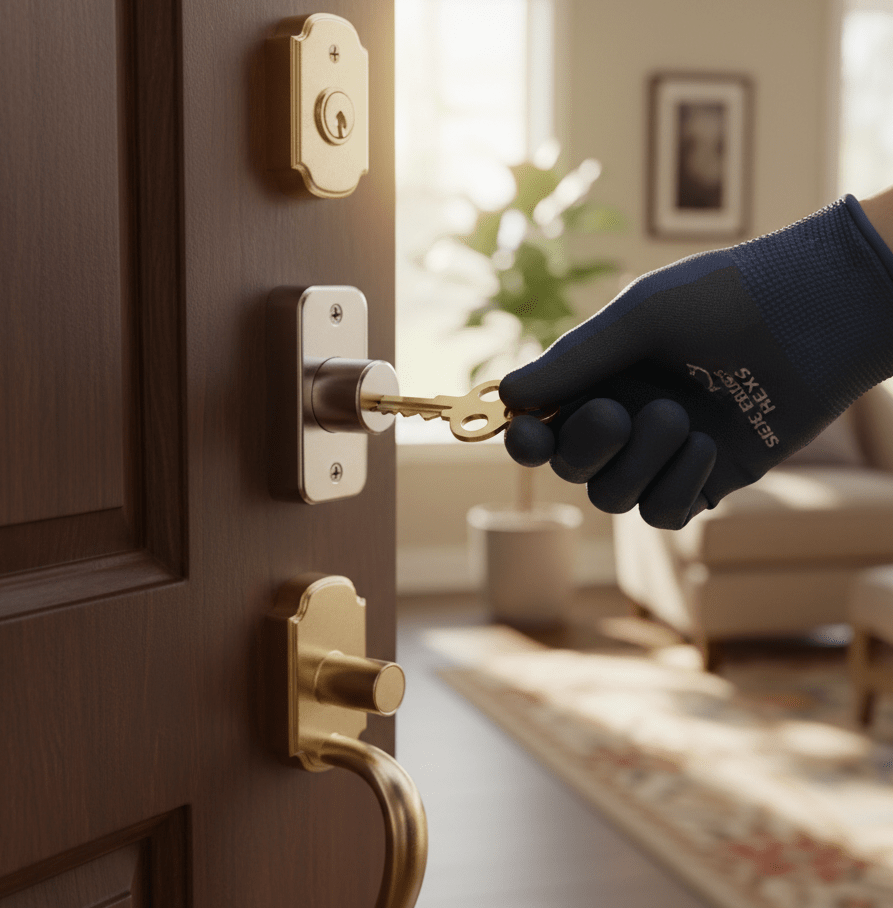
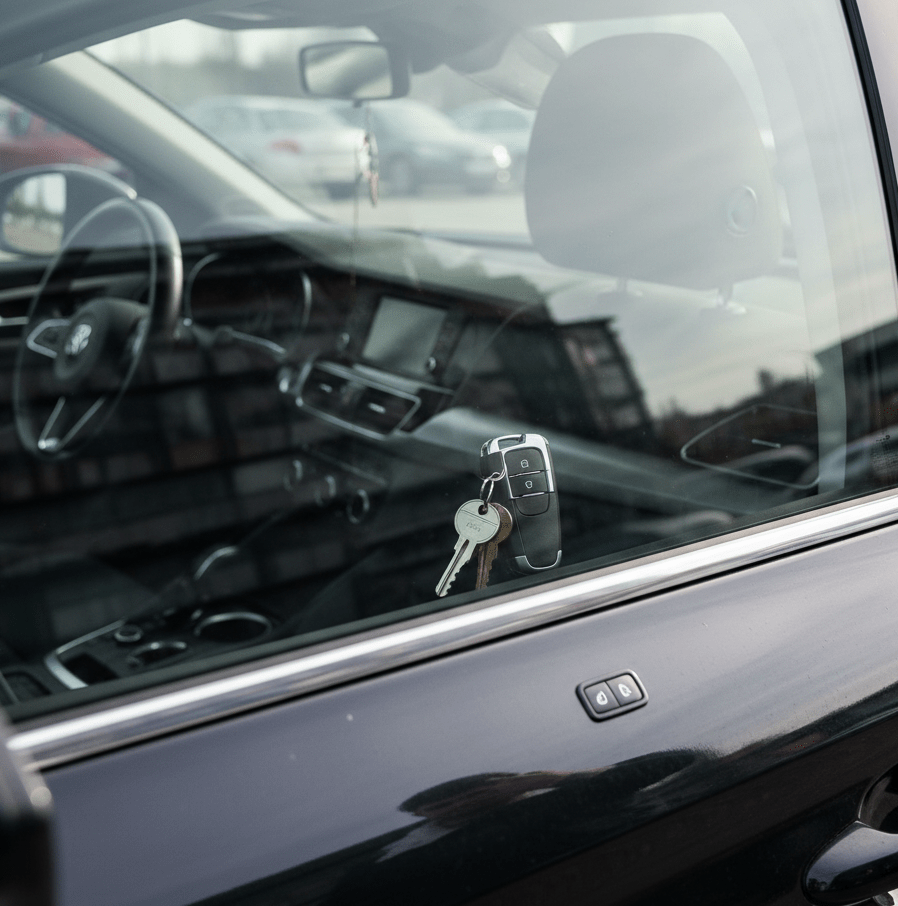
In a simple house lockout, you might have lost your key or left it inside. With a high-security lock lockout, you usually have the right key, but the lock won’t open. The key may not go in as easily as before, may not fit all the way, or may stop turning. Sometimes, the key turns partway, but the bolt does not move.
High-security locks have more precise parts than regular locks. This makes them more sensitive to misalignment, wear, or damage. If the bolt can’t move easily into the frame, the lock is working correctly. It also means that if the lock’s internal parts are not in the right position, the lock will not open when it shouldn’t. The problem is that the rightful user is locked out.
When experiencing lock function issues, emergency locksmith services provide reliable response, and specialized high-security lock repair can address the underlying mechanical problems to prevent future lockouts.
Why High-Security Locks Cause Lockouts
Several things can cause a high-security lock to lock you out.
One common reason is door and frame movement. If the door shifts on its hinges or the frame moves even a little, the bolt may get stuck. It might press against the edge of the strike instead of sliding into the opening. High-security bolts are strong and do not adjust well to misalignment. This can make the lock feel jammed, even if the key and internal parts are fine.
Wear or dirt inside the cylinder can also cause problems. Dust, debris, old lubricant, or worn pins can stop the mechanism from lining up with the key. Since the lock is made to resist tampering, it can be hard to turn when the internal parts do not fit together correctly.
Previous attempts to force the lock, use makeshift tools, or slam the door can also cause damage. This damage can eventually lead to a lockout. When facing these issues, high-security lock lockout services provide specialized assistance, and preventive high-security lock repair can address wear and alignment problems. For priority situations, emergency locksmith services are available 24/7.
How a Locksmith Handles a High-Security Lock Lockout
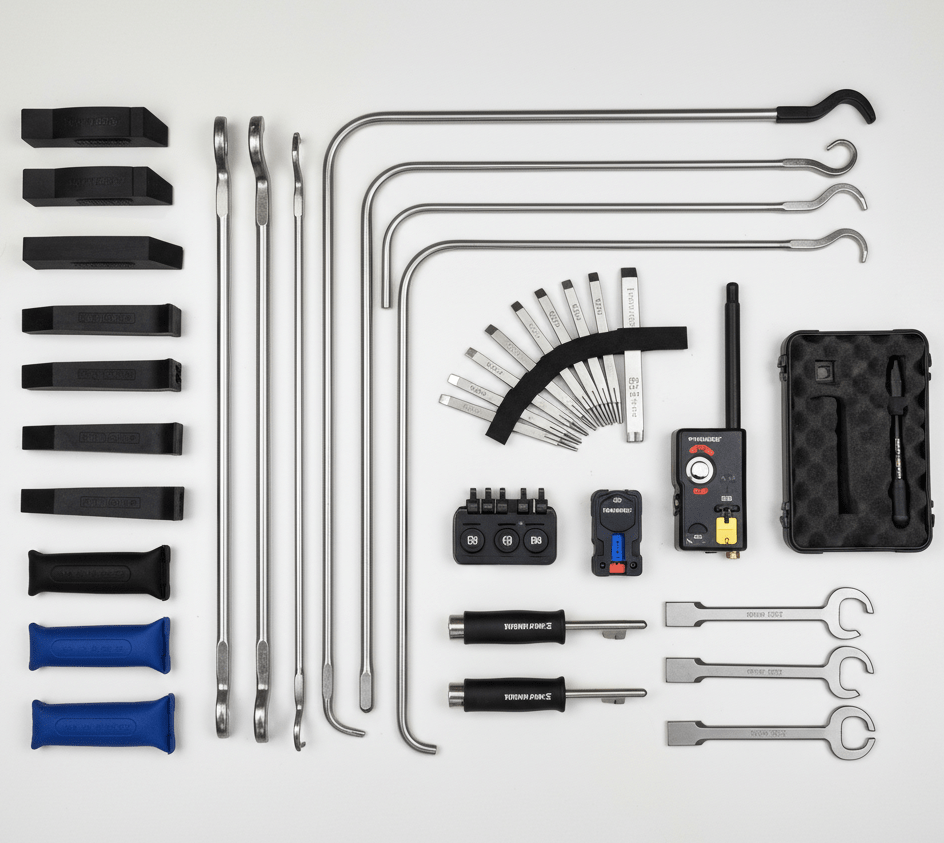
When a locksmith is called for a high-security lockout, they start with a careful check. The locksmith examines the door, frame, hinges, and lock body before choosing a method. High-security locks resist forced entry and tampering, so they need special tools and techniques. The approach may vary based on the brand and model.
Sometimes, gently relieving pressure on the door and skillfully handling the lock can let the bolt retract without damage. In other cases, if there is clear damage or misalignment, more direct methods may be necessary. If destructive entry is needed, the locksmith can plan for a replacement. This way, once the door is open, a new high-security lock can be installed.
After getting inside, the locksmith can check the removed lock on a bench. They will also inspect the key, door, and frame to find out what caused the lockout. From there, they can suggest repairs, full replacement, or adjustments to the door to avoid future issues. For professional assistance any time, emergency locksmith services provide 24/7 response for priority lockout situations.
Protecting Your Security After a High-Security Lockout
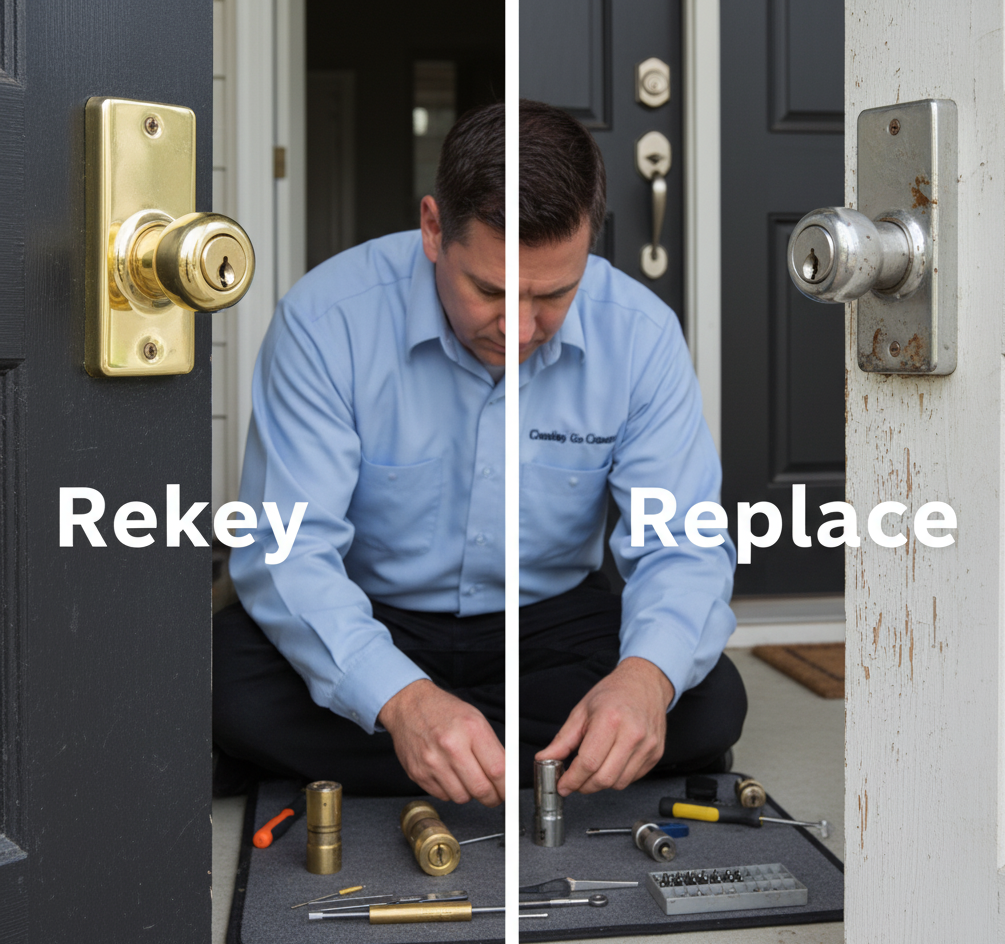
Once the door is open, the next step is to keep your home safe. If the lockout happened because the door was misaligned, small adjustments may fix it. If the lock or cylinder is damaged, replacing it with a new high-security lock is usually best.
Your locksmith can recommend whether high-security lock repair will restore proper function or if lock change services are needed for optimal security. For ongoing protection across all entry points, consider residential rekeying to maintain key control throughout your home.
Frequently Asked Questions – High-Security Lock Lockout
A high-security lockout occurs when a high-security deadbolt or cylinder on a door cannot be opened. This happens even when you use the correct key. The key might not turn, may only turn a little, or may not pull back the bolt.
Common reasons are:
- A door that is not aligned properly.
- A bolt that cannot move easily.
- Dirt or wear in the cylinder.
- Damage from force or tampering. High-security locks are strict about how they open, which can lead to lockouts when things are not right.
Sometimes, yes. If the issue is mainly alignment or minor binding, a locksmith may open the lock and fix it. If the lock or cylinder is badly damaged, it may need to be replaced after getting in.
Not always. After getting in, a locksmith can check the lock and door to see if repair is safe. If the lock’s security features are okay and wear is not too much, repair may work. If the mechanism is damaged, replacement is usually better.
Keep doors and frames aligned, make sure strikes are mounted right, and have locks serviced when they start to feel stiff. Paying attention to these details helps the lock work well without fighting the door.