

Commercial mortise locks are built for decades of heavy use, but even the most durable hardware eventually needs professional repair. Charlotte Locksmith provides commercial mortise lock repair in Charlotte, NC for businesses, offices, medical facilities, schools, warehouses, and multi-tenant buildings throughout the metro area.
Mortise locks are the workhorse of commercial door hardware. The lock body sits inside a rectangular pocket mortised into the door, making these locks stronger and more secure than surface-mounted cylindrical locks. They support complex master key systems, integrate with panic hardware, meet fire code requirements, and operate smoothly through millions of cycles. When mortise locks develop issues, professional repair restores function and extends the lock’s lifespan.
Businesses throughout Charlotte depend on properly functioning mortise locks. From office buildings in Uptown and Ballantyne to medical facilities near Atrium Health and Novant Health, schools in University City, warehouses in Steele Creek, and retail spaces in South End, mortise lock problems disrupt operations and create security vulnerabilities. Professional repair addresses these issues before they escalate into full lock failure.
Understanding when to repair versus replace a mortise lock saves businesses money while maintaining security. Many mortise lock problems can be resolved through component replacement, adjustment, or cleaning without removing the entire lockset. Charlotte Locksmith evaluates each situation to recommend the most cost-effective solution.
Common Mortise Lock Problems
Mortise locks experience wear from constant daily use. Recognizing common problems helps facility managers identify issues early and schedule repairs before locks fail completely.
When lever handles become loose, sag downward, or fail to return to horizontal position, the issue often stems from worn internal hubs, broken return springs, or loose through-bolts. Repair typically involves replacing springs, tightening connections, or installing new hub mechanisms.
A latch that doesn't engage properly, sticks partially extended, or fails to retract may indicate internal mechanism wear or misalignment. Repair involves cleaning, adjustment, or component replacement. Sometimes door alignment requires hinge adjustment or strike plate repositioning.
When keys become difficult to turn or stick, the cylinder may be worn, corroded, or damaged. Problems can often be resolved by cleaning, lubricating, or replacing the cylinder without disturbing the rest of the lock body. Learn more about lock repair services.
If the deadbolt doesn't extend fully, sticks, or fails to retract, internal components may be worn or strike alignment may be off. Repair involves cleaning, replacing worn parts, or adjusting the strike.
Heavy use gradually wears internal components. Springs weaken, cams wear down, and moving parts develop play. These issues cause inconsistent operation, unusual sounds, or increased resistance. Replacing internal components restores proper function.
Why Mortise Locks Fail
Understanding what causes mortise lock problems helps businesses prevent future issues and maintain hardware properly.
Years of daily operation naturally wear internal components. Commercial doors in high-traffic areas may cycle thousands of times weekly, gradually degrading springs, cams, and other moving parts. Environmental factors also play a role. Exterior doors face weather exposure that corrodes components, while interior doors in climate-controlled spaces last longer with less maintenance.
Door misalignment stresses mortise locks over time. Building settling, hinge wear, or frame movement can cause the latch and strike to meet at incorrect angles, forcing components and accelerating wear. Regular maintenance and alignment checks prevent this type of damage.
Improper installation creates problems from the start. If the mortise pocket wasn’t cut to correct depth, the cylinder wasn’t aligned properly, or through-bolts weren’t tightened adequately, the lock never operates as designed. Professional repair corrects these installation issues.
Forced entry attempts damage lock bodies, cylinders, and trim. Even unsuccessful attempts can bend components, crack housings, or misalign internal mechanisms. Security upgrades may be necessary after tampering. Explore high-security lock options for vulnerable locations.
Where Mortise Lock Repair Is Needed in Charlotte
Mortise locks serve commercial properties throughout Charlotte across multiple industries and building types.
Office buildings in Uptown, Ballantyne, and SouthPark use mortise locks on tenant suite entrances, conference rooms, executive offices, and storage areas. These locks operate constantly throughout business hours and require regular maintenance to prevent failures during critical meetings or presentations.
Medical facilities near Atrium Health and Novant Health depend on mortise locks for exam rooms, administrative offices, pharmacy areas, laboratory doors, and storage rooms. Healthcare environments require reliable access for patient care and security for controlled substances. Lock failures in medical settings can compromise patient privacy and medication security.
Schools and universities in University City and throughout CMS campuses install mortise locks on classroom doors, administrative offices, locker rooms, and secure areas. Educational facilities need locks that withstand student use while maintaining security and meeting safety codes for emergency egress.
Warehouses and industrial facilities in Steele Creek and the North Tryon industrial corridor protect valuable equipment, inventory, and hazardous materials behind mortise-locked doors. These environments subject locks to rough use and sometimes challenging conditions that require durable hardware and regular maintenance.
Retail stores in South End, Plaza Midwood, and Concord Mills secure back offices, stock rooms, employee entrances, and cash handling areas with mortise locks. Retail operations cannot afford lock failures that prevent opening, close early, or create security gaps.
Multi-tenant commercial buildings use mortise locks throughout common areas, stairwells, utility closets, and tenant spaces. Property managers need reliable locks that reduce maintenance calls and support diverse tenant needs within master key systems.
Mortise Lock Repair Process
Charlotte Locksmith follows a systematic repair process to diagnose problems accurately and restore mortise locks to proper function.
The evaluation begins with examining how the lock operates. We test the lever action, latch engagement, key operation, and deadbolt function to identify specific problems. We also check door alignment, strike plate positioning, and frame condition since these factors affect lock performance.
Next we remove the lock trim to access internal components. The lever handles, escutcheon plates, through-bolts, and cylinder are carefully removed to expose the lock body. This disassembly reveals the condition of internal parts and helps identify worn or damaged components.
Inside the lock body, we inspect the latch assembly, deadbolt mechanism, springs, cams, hubs, and all moving parts. We look for wear patterns, broken components, corrosion, and misalignment. The cylinder is examined separately for pin wear, keyway damage, and smooth operation.
Based on our findings, we perform necessary repairs. This might involve replacing worn springs, installing new hubs, cleaning and lubricating mechanisms, adjusting internal components, replacing damaged parts, or addressing alignment issues. We use quality replacement parts that match or exceed original specifications.
The lock is then reassembled with proper alignment and torque specifications. Through-bolts are tightened correctly, the cylinder is positioned for smooth key operation, and lever handles are adjusted for proper return action. If door or frame alignment contributed to the problem, we make those adjustments as well.
Finally, we test the complete lock function multiple times. We verify smooth lever operation, secure latch engagement, proper deadbolt throw, easy key turning, consistent return action, and overall lock stability. The goal is smooth, reliable operation that meets the demands of commercial use.
Repairable vs. Replaceable Mortise Locks
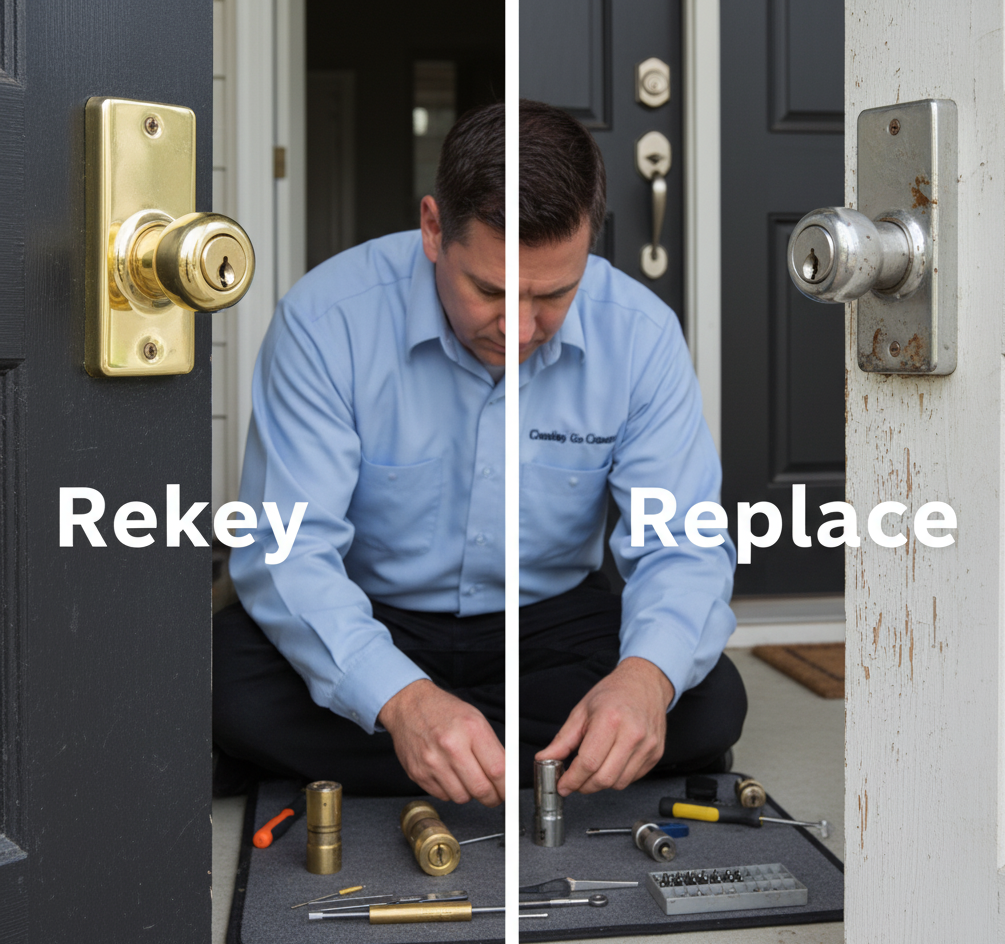
Not every mortise lock problem requires complete replacement. Understanding when repair is appropriate saves businesses money while maintaining security.
Mortise locks should be repaired when the lock body structure remains sound, internal components can be replaced, the mortise pocket is properly cut, the door itself is in good condition, and the lock type still meets security needs. Most operational problems with mortise locks fall into the repairable category. Component wear, spring failure, and minor cylinder issues can usually be addressed through repair.
Replacement becomes necessary when the lock body is cracked or severely corroded, the mortise pocket was improperly cut and cannot be corrected, the door has sustained damage affecting lock mounting, security requirements have changed demanding upgraded hardware, or the lock has been severely damaged through forced entry. Learn about commercial lock change services for these situations.
Charlotte Locksmith provides honest assessments. If repair provides years of additional service at reasonable cost, we recommend repair. If replacement offers better long-term value or necessary security improvements, we recommend replacement. The decision always considers the facility’s needs, budget, and security requirements.
Mortise Lock Components That Often Need Repair
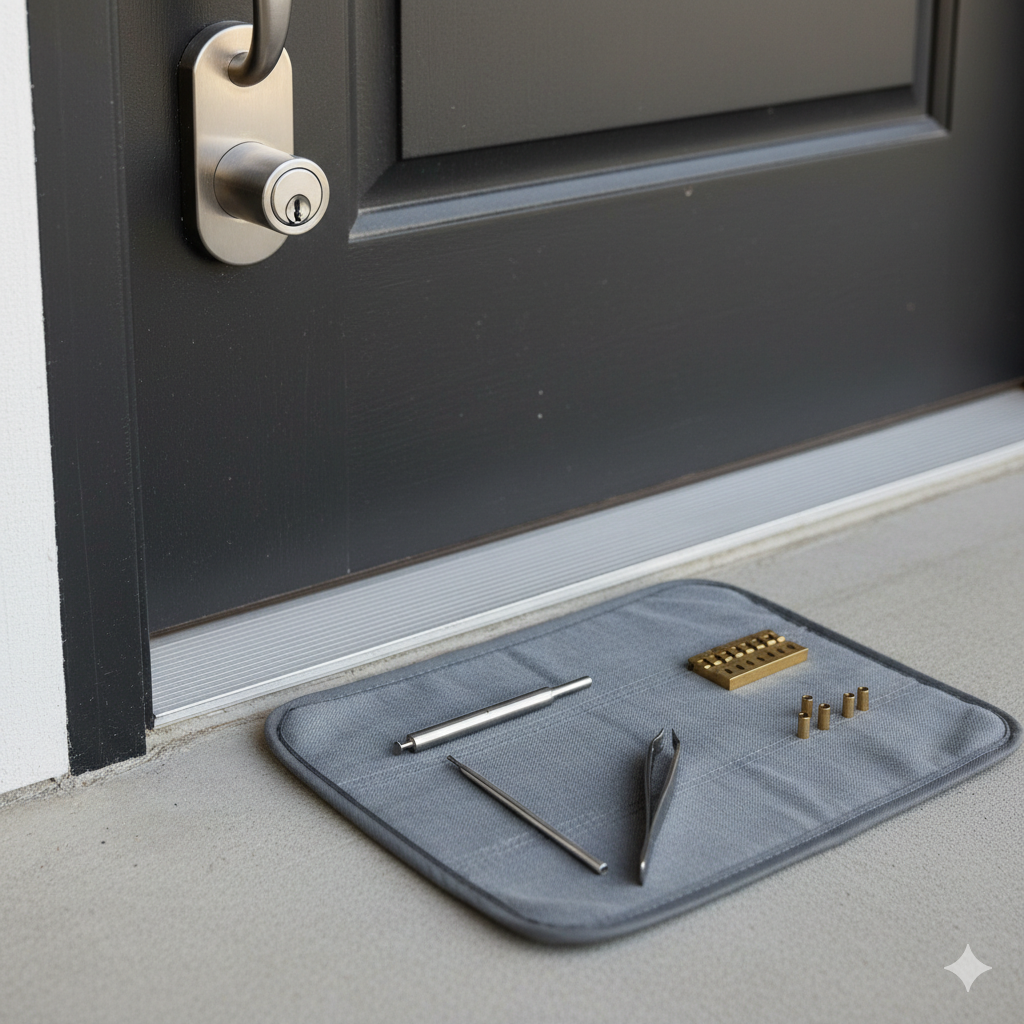
Understanding which mortise lock components commonly fail helps businesses recognize problems and plan maintenance.
Return springs control how lever handles return to horizontal position after use. These springs gradually weaken through thousands of cycles and eventually fail, causing levers to sag or not return properly. Spring replacement is one of the most common mortise lock repairs and relatively straightforward for professional locksmiths.
Internal hubs connect the lever handles to the latch mechanism. Heavy use wears these hubs, creating play that manifests as loose or wiggling levers. Hub replacement restores solid connection and smooth operation.
The latch assembly experiences constant friction as it extends and retracts. Over time, the latch spring can weaken, internal components wear, and smooth operation degrades. Latch mechanism repair or replacement restores reliable latching.
Lock cylinders contain pins, springs, and the keyway that interact with keys thousands of times. Pin wear, keyway damage, or spring failure make keys difficult to turn or cause cylinders to malfunction. Cylinder replacement or rekeying often resolves these issues. Learn about rekeying services.
Through-bolts hold the lock trim securely to the door. These bolts can loosen over time, causing trim to separate or levers to feel unstable. Retightening or replacing through-bolts secures the assembly properly.
Deadbolt mechanisms include springs, cams, and moving parts that wear with use. When deadbolts stick, don’t extend fully, or become difficult to operate, internal repair restores smooth function. For comprehensive security, consider deadbolt installation services.
Frequently Asked Questions — Commercial Mortise Lock Repair
Most repairs are completed in 1 to 2 hours per lock depending on the specific problem and parts needed. Some repairs can be performed on-site while others require removing the lock for shop service.
Repair is usually more cost-effective when the lock body is structurally sound and only components need replacement. Replacement becomes necessary when the lock body is damaged or security requirements have changed.
Some repairs can be performed in place, but many require removing the lock for proper access to internal components. We make this determination during the initial evaluation.
Professional repair maintains your existing keying hierarchy. We coordinate all work with your master key schedule to preserve access control. Learn about master key systems.
Annual professional inspections with cleaning and lubrication prevent most problems. High-traffic doors may benefit from more frequent service.
Yes. We use fire-rated components and maintain compliance with fire codes during all repairs to fire-rated door hardware.