

Access control systems provide businesses with advanced security, detailed access tracking, and centralized management for every entry point. Charlotte Locksmith provides professional access control system installation in Charlotte, NC for commercial properties, offices, medical facilities, warehouses, schools, and multi-tenant buildings that need to control who enters their facilities and when.
Traditional key-based systems create management challenges. Keys get lost, copied, or distributed to unauthorized individuals. When employees leave or tenant situations change, businesses face expensive rekeying or lock replacement. Access control systems eliminate these vulnerabilities by replacing physical keys with electronic credentials that can be issued, tracked, modified, and revoked professionally.
Businesses throughout Charlotte depend on access control systems to protect sensitive areas, monitor employee movement, integrate with surveillance systems, and maintain detailed audit trails. From corporate offices in Uptown and Ballantyne to medical facilities near Atrium Health and Novant Health, industrial warehouses in Steele Creek, data centers in University City, and retail operations in South End, access control systems provide the security infrastructure that modern businesses require.
Access control installation integrates hardware, software, and network infrastructure to create a comprehensive security platform. Professional installation ensures every component functions correctly, communicates properly, and meets the facility’s security requirements.
How Access Control Systems Work
Access control systems replace traditional locks with electronic credentials and centralized management. Understanding the basic components helps businesses appreciate how these systems protect their facilities.
Core Components:
Cards, key fobs, mobile devices, PIN codes, or biometric identifiers that users present for access.
Devices mounted at doors that scan credentials and send authorization requests to the control panel.
The central processor that receives requests, checks authorization, and sends lock/unlock commands.
Magnetic locks, electric strikes, or electrified hardware controlled by the access system.
Computer interface where administrators grant access, modify permissions, and review activity logs.
Provides consistent power to readers, locks, and control panels.
Connects components through hardwired or wireless communication.
When a user presents credentials, the reader sends the information to the control panel. The panel checks if that credential has permission for that door at that time. If authorized, the panel sends a signal to unlock the door. Every attempt is logged with the date, time, user identity, and door location.
Why Businesses Choose Access Control Systems
Access control systems provide capabilities that traditional locks cannot match. These systems solve common security challenges while improving operational efficiency.
Key Benefits:
No more lost keys, unauthorized copies, or expensive rekeying. Access is granted electronically.
Know exactly who entered which doors and when. Complete audit trails for security investigations.
Grant or revoke access from anywhere. Add new employees or remove terminated staff professionally.
Limit access to specific hours. Automatically lock areas outside business hours.
Restrict individuals to authorized areas. Executive suites, labs, and storage rooms remain protected.
Connect with surveillance cameras, alarm systems, and building automation platforms.
Temporary credentials for contractors, vendors, or guests that automatically expire.
professionally lock all doors during security events with a single command.
Maintain required access records for regulatory audits in healthcare, finance, and government sectors.
Documented access controls demonstrate reasonable security measures.
Types of Access Control Systems
Charlotte Locksmith installs multiple access control platforms designed for different facility sizes and security requirements.
Proximity cards or smart cards that users present to readers. Common, affordable, and reliable for most commercial applications.
Small transmitters that unlock doors when presented to readers. Convenient for employees to carry on keychains.
Smartphones act as credentials using Bluetooth or NFC technology. Users unlock doors with their phones.
Keypads requiring numeric codes for entry. No cards or fobs to manage. Good for shared access areas.
Fingerprint, facial recognition, or iris scanning for the highest security. Credentials cannot be lost, shared, or stolen.
Combine multiple credential types. Users can access with cards, PINs, or mobile devices depending on preference.
Management software hosted online. Administrators manage access from any location with internet connectivity.
Individual door controllers for small installations. Simple, cost-effective for single-door applications.
Large-scale platforms managing hundreds or thousands of doors across multiple buildings.
Each system type serves different facility needs and budget considerations. Learn more about smart lock integration.
Vehicles and Lock Types Covered
Professional car lockout service generally covers:
- Sedans
- SUVs
- Pickup trucks
- Minivans and work vans
- Many domestic and import models
Vehicle lock systems include:
- Traditional manual locks
- Power locks with interior buttons
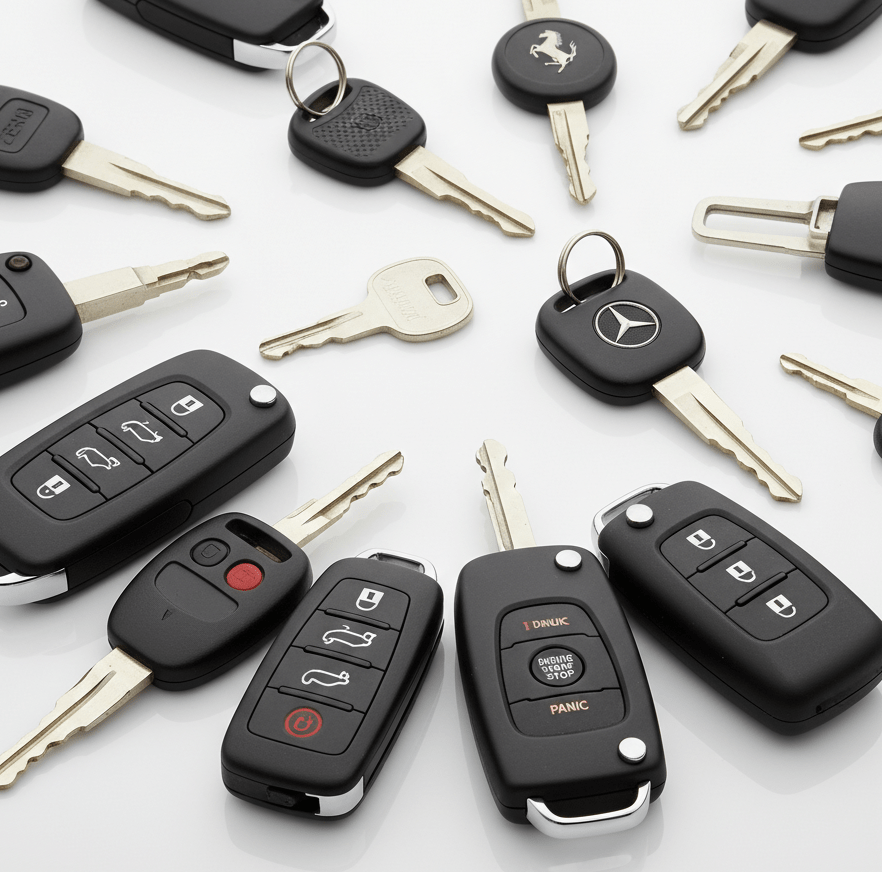
- Keyless entry systems with remotes
- Proximity and smart systems with push-to-start
If your vehicle has unusual or advanced features, a brief description of your year, make, and model helps determine the best approach before tools are used.
Frequently Asked Questions — Access Control System Installation
Cost varies based on number of doors, system type, and features. Single-door systems start around $1,500-$3,000 per door. Multi-door installations benefit from economies of scale.
Yes. Most doors can be retrofitted with electronic locks and readers without major modifications.
Single-door installations typically require 4 to 8 hours. Multi-door projects depend on scope and complexity.
Systems include battery backup to maintain operation during outages. Fail-safe locks release for safety during extended power loss.
Yes. Cloud-based systems allow management from any location with internet access.
Capacity varies by platform. Enterprise systems support thousands of users and doors.