If you have recently moved, lost a key, given out spare copies, or simply want better control over who can enter your home, rekeying your house locks may be one of the smartest steps you can take.
Many homeowners in Charlotte assume they need to replace every lock when security concerns come up. In reality, rekeying is often a practical and cost-conscious way to update access without changing all the existing hardware.
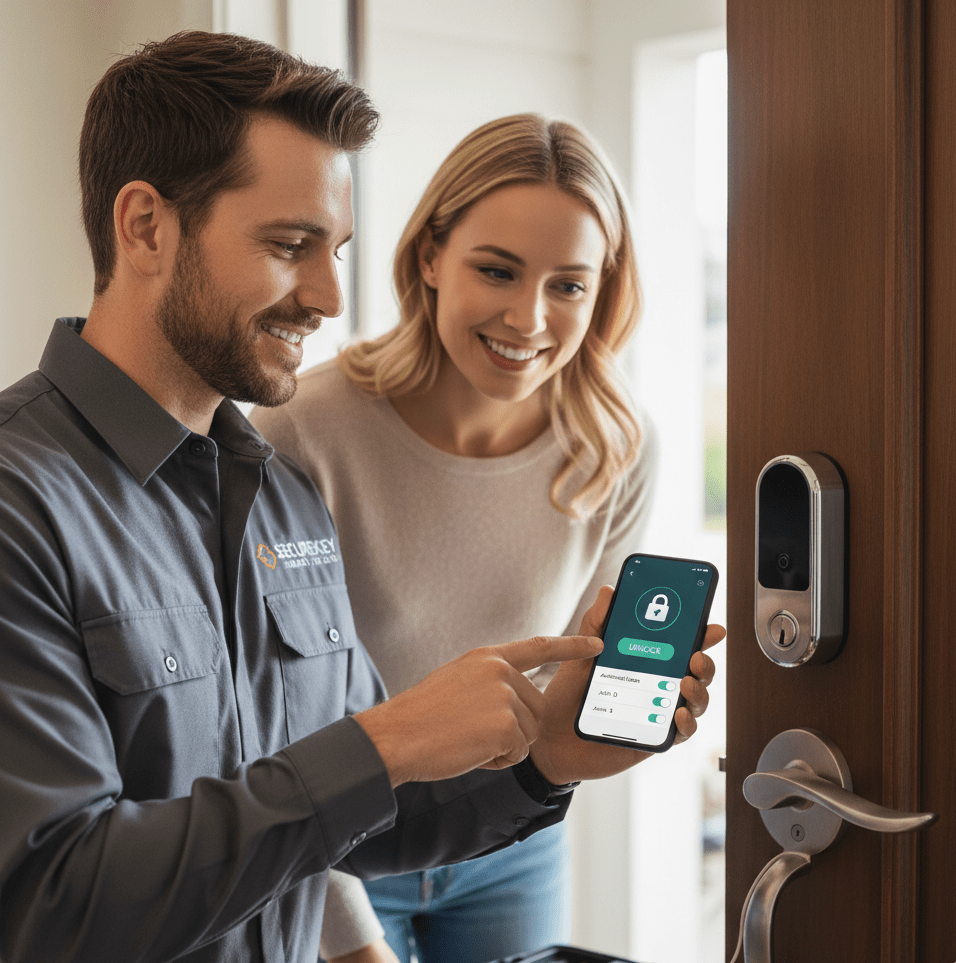
Rekeying a house lock means changing the inside of the lock so old keys no longer work and a new key does. It is often a smart option after moving, losing keys, changing roommates, ending a lease, or updating home security. While some homeowners attempt DIY rekeying, many choose professional help to avoid lock issues and make sure the job is done correctly.
Rekeying a lock means changing the internal pin configuration inside the lock cylinder so that the old key no longer works. After rekeying, the lock stays in place, but it now responds to a different key.
This is different from replacing a lock. With rekeying, you keep the existing lock hardware if it is still in good condition. The outside of the lock may look exactly the same, but access has been changed internally.
For homeowners, this is often one of the easiest ways to improve key control. If someone still has an old copy of your key, rekeying helps make that copy useless without requiring a full hardware replacement.
There are several situations where rekeying makes a lot of sense. In fact, many homeowners wait too long to do it, even after a clear change in access or security.
One of the most common times to rekey is right after closing on a home. Even if the seller hands over all the keys they know about, there is no way to guarantee how many copies may still exist.
If you need help with home lock access or security updates, visit residential locksmith services.
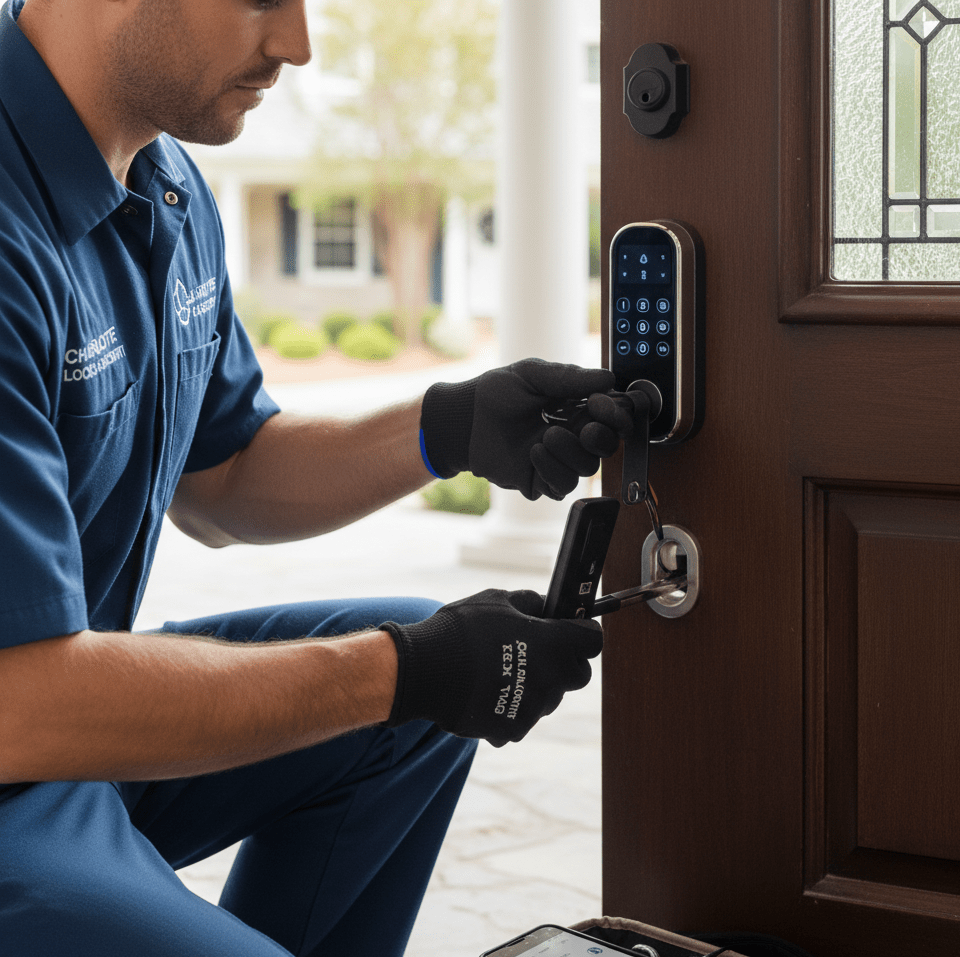
This is one of the biggest questions homeowners ask, and it is a good one. Both rekeying and replacing locks can improve security, but they are not the same solution.
In many homes, rekeying is enough. But if your lock is sticking, loose, cracked, outdated, or hard to use, it may be worth discussing lock replacement or lock repair first.
Inside most standard residential locks are small pins and springs that match the cut pattern of a specific key. When a locksmith rekeys the lock, they remove the cylinder and replace or adjust those internal pins so they match a different key.
That means the lock body stays the same, but the key that operates it changes.
While the process may sound simple, precision matters. If the lock is pinned incorrectly or reassembled poorly, it can lead to key sticking, turning issues, or a lock that fails entirely.
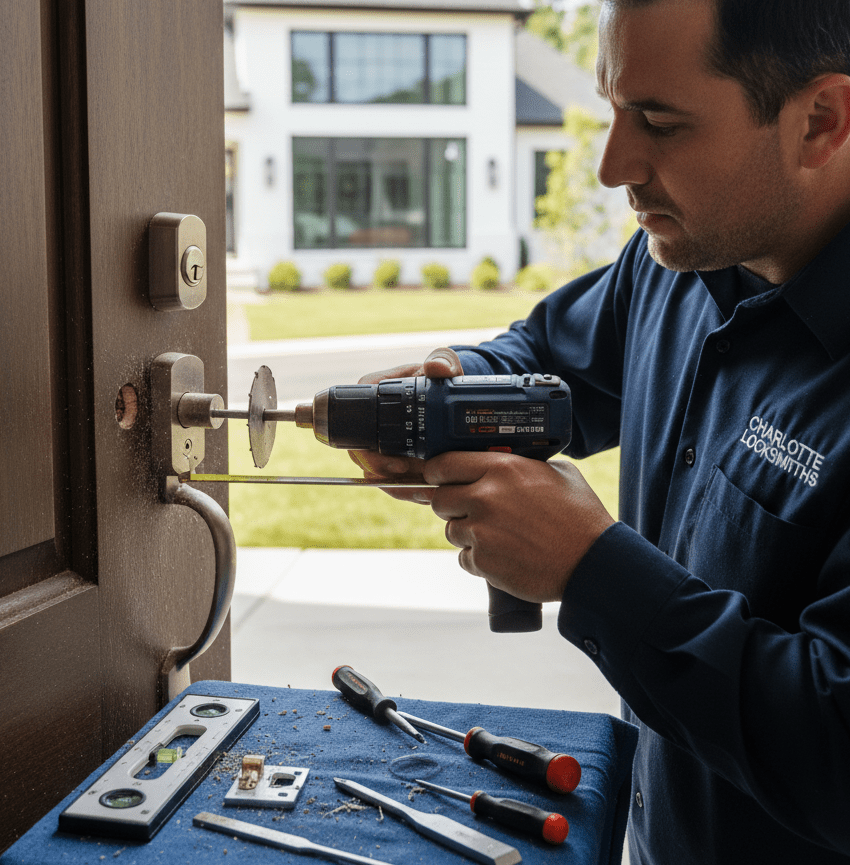
Some homeowners try to rekey their own locks using a rekey kit. In certain cases, that can work if the lock is a compatible brand, the hardware is in good shape, and the person doing it is comfortable working with small mechanical parts.
However, there are a few reasons why DIY rekeying does not always go smoothly:
If your goal is reliable home security and smooth operation, professional rekeying is often the more dependable option. It also gives you the chance to catch other issues with the lock or door hardware before they become bigger problems.
Rekeying is popular for a reason. It is one of the most practical ways to improve residential security without overcomplicating the process.
You decide exactly who has access and which keys still work.
If your locks are still in good shape, you can often keep them in place.
In some cases, multiple house locks can be keyed to work with one key.
For homeowners, landlords, and property managers, rekeying can be especially useful after tenant turnover, remodel work, short-term access sharing, or property purchases. It helps restore control without changing everything at once.
Many lock issues are not caused by bad locks. They come from small mistakes made during maintenance, replacement, or DIY attempts. If you are thinking about rekeying your locks, it helps to avoid these common problems:
If you already know extra people may still have copies of your key, waiting only extends the risk.
Rekeying is helpful, but it will not fix a lock that is physically worn out, damaged, or badly installed.
Homeowners sometimes update the front door and forget side doors, garage entry doors, or back doors that still use older access.
After rekeying, make sure you know exactly how many copies exist and who has them.
If you are planning a full home access update, it may also be a good time to consider smart lock installation.
Charlotte has a growing mix of new homeowners, rental properties, townhomes, condos, and older residential neighborhoods. Because of that, rekeying is one of the most practical locksmith services many homeowners use after moving or changing access.
It is especially common after:
In many cases, homeowners do not realize how many people may have had access to the home before they moved in. Rekeying offers a clean starting point and more peace of mind.
If you are not sure whether your locks should be rekeyed, repaired, or replaced, the best first step is often to have them assessed by a professional. You can also review the full Charlotte locksmith services page to see related home security options.
It depends on the condition of the lock. If the lock is still in good shape, rekeying is often a practical way to change access without replacing the full hardware.
Yes, many homeowners choose to do this. It helps make sure any older key copies no longer work.
Many standard residential locks can be rekeyed, but some specialty locks, damaged locks, or low-quality hardware may be better replaced.
In many cases, yes. If the locks are compatible, they can often be rekeyed to match one key for easier daily use.
Yes. Rekeying helps you control who has working access to your home, especially after key loss, move-ins, or access changes.
If you want better control over who has access to your home, rekeying is often one of the simplest and most practical ways to improve security.
Request Locksmith Service