If you recently moved into a new home, misplaced a set of keys, or want better control over who can access your property, rekeying your locks is one of the smartest home security updates to consider. Many Charlotte homeowners assume they need brand-new lock hardware, but in many cases, rekeying can solve the problem without changing the full lock.
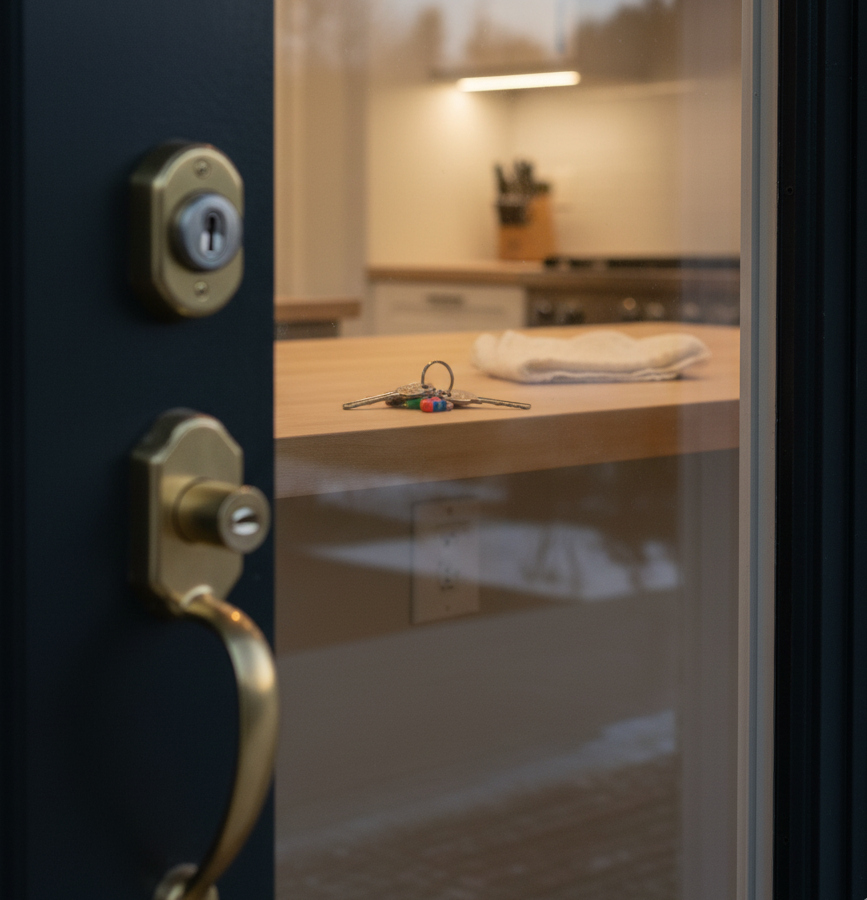
Rekeying a house lock means changing the internal pins inside the lock cylinder so the old key no longer works. The lock itself usually stays on the door, and from the outside, nothing may look different. What changes is the key access.
This is one of the most common residential locksmith services because it solves a real security issue without requiring homeowners to replace every lock on the property. If someone still has an old copy of your key, rekeying helps remove that risk.
Many homeowners confuse rekeying with replacing locks, but they are not the same. Rekeying is about changing access. Replacing locks is about changing the hardware itself. If your locks are in good condition and you simply want new key control, rekeying is often the more practical route.
Simple way to think about it: rekeying lets you keep the lock, but changes the key that opens it.
There are several situations where rekeying your home locks makes sense. In Charlotte, this service is especially common after real estate closings, rental transitions, and household changes.
This is one of the biggest reasons homeowners rekey locks. Even if the seller handed over every key they had, there is no way to know how many spare copies may still be out there. Previous owners may have given keys to family members, neighbors, house cleaners, dog walkers, contractors, or property managers.
Rekeying after moving gives you a clean reset. It is a simple way to take control of your home’s access from day one.
If your keys are missing and you are not sure where they ended up, rekeying is a smart safety step. Even if you think they were simply misplaced, there is still a chance they could end up in the wrong hands. Rekeying removes that uncertainty.
If someone who used to live in the home no longer should have access, rekeying is a practical way to update entry control. This can include old roommates, former tenants, or changes in family living arrangements.
Homeowners sometimes hand out spare keys during renovations, repairs, cleaning appointments, or recurring home services. In many cases, that access is temporary. Rekeying helps reset things once the work is done.
Another common reason to rekey is convenience. If your front door, back door, side entry, and garage entry all use different keys, a locksmith may be able to rekey compatible locks so they all work with one key. That can make everyday access much easier.
Rekeying is not only about security. It is also about control, convenience, and peace of mind. Instead of wondering who still has access, you can know exactly which keys work and who has them.
For many Charlotte homeowners, it is one of the first services they schedule after moving into a new house. It is simple, practical, and directly tied to home safety.
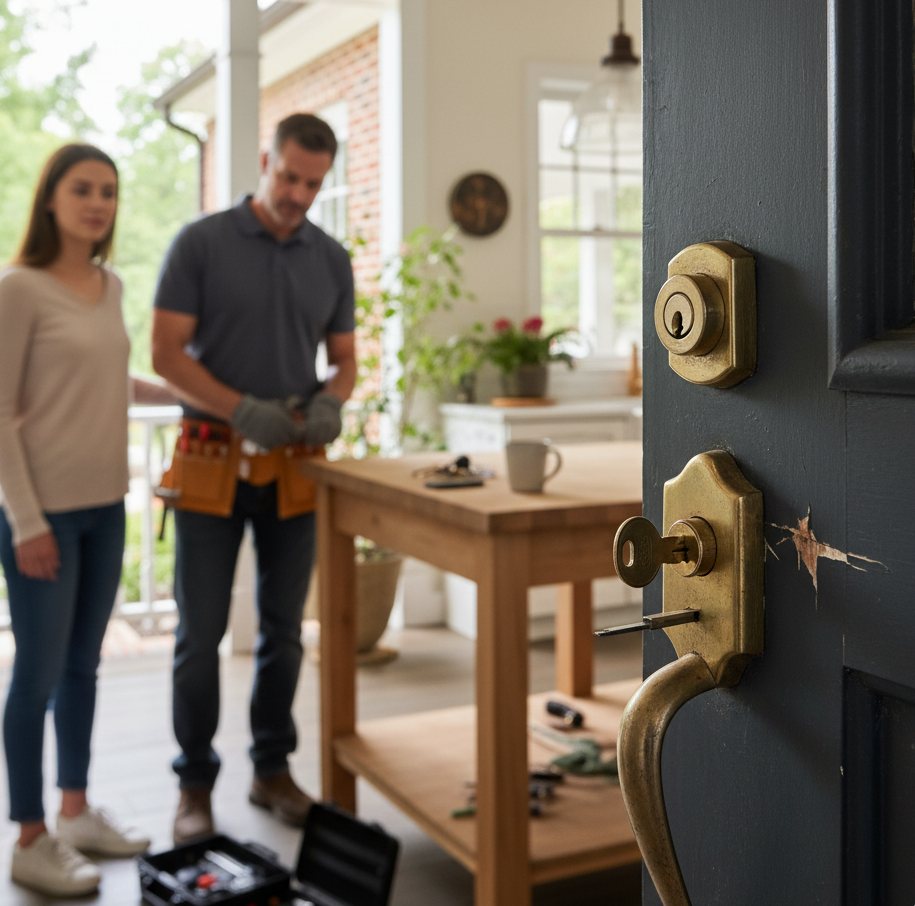
Homeowners often ask whether they should rekey their locks or replace them entirely. The answer depends on your current hardware, your security goals, and whether the locks are still in good working condition.
If your lock hardware is already sticking, loose, rusted, or inconsistent, replacing it may be the better long-term option. But if the locks are solid and the issue is simply access control, rekeying is often enough.
If you are unsure which route makes more sense, a residential locksmith can inspect the lock condition and help you decide based on the doors you use every day.
Rekeying may sound technical, but the process is straightforward when done by a locksmith. The exact steps vary by lock brand and type, but the general process is similar across most residential locks.
The locksmith first checks the lock type, condition, and compatibility. Not every lock can be rekeyed the same way, especially if you have a mix of brands or older hardware.
The lock cylinder is removed so the internal pin system can be accessed. This is the part that matches the shape of a specific key.
The locksmith changes the pin configuration inside the cylinder so it matches a new key cut. This is the core of the rekeying process.
Once the lock is reassembled, the locksmith tests it with the new key to make sure it turns smoothly and locks correctly.
If you want multiple doors to work with one key, the locksmith may rekey your front door, back door, garage entry, or side door to match the same keyway when possible.
This is one reason homeowners often prefer hiring a locksmith instead of trying to do it themselves. A professional can make sure everything works consistently and securely across the property.
In some cases, yes. Some lock brands sell rekey kits for homeowners, and if all your locks are the same brand and model, a DIY approach may be possible. But there are a few things to keep in mind before going that route.
The risk with DIY rekeying is not always obvious as scheduled. Sometimes the lock seems fine at first but ends up sticking, turning inconsistently, or failing to align properly. That can create frustration later, especially on the doors you use most often.
If your goal is dependable access and clean key control, having a locksmith handle it is often the simpler path.
In many cases, yes, but it depends on the hardware. If your locks are compatible, a locksmith may be able to rekey several doors so one key works across your main entry points.
This is a popular request because it makes daily access much easier. Instead of carrying separate keys for the front door, back door, side door, and garage entry, you can simplify everything to one.
However, compatibility matters. Different brands and different lock families may not always be keyed alike. A locksmith can usually tell you efficiently which locks can be matched and which ones may need to be changed if you want a single-key setup.
Charlotte continues to see active real estate movement, new homeowners, rental transitions, and neighborhood turnover. Because of that, rekeying remains one of the most common locksmith requests after moving day.
Whether you bought a home in South End, Ballantyne, University City, Dilworth, Plaza Midwood, or surrounding Charlotte neighborhoods, the same question usually comes up:
Who still has a copy of the old key?
In many homes, there have been years of duplicate keys floating around. Previous owners may have shared keys with babysitters, dog walkers, relatives, neighbors, cleaning services, or contractors. Rekeying is one of the easiest ways to close that gap and start fresh.
It also gives homeowners a chance to evaluate their overall entry setup. Some people choose to rekey now and upgrade to new hardware later. Others use rekeying as part of a broader home security reset.
One of the most common times to rekey locks is right after buying or renting a home. It helps ensure only your current household has working keys.
If your keys are missing and you cannot confirm where they are, rekeying is a practical way to remove the uncertainty.
Rekeying can help simplify access and make it easier to know exactly who has working copies of your home keys.
It depends on the condition of the lock. If the hardware still works well and you only want to change key access, rekeying is often enough. If the lock is worn, damaged, or outdated, replacement may make more sense.
The time depends on how many locks need to be rekeyed and whether they are compatible. Many residential rekey jobs can be completed during a single service visit.
In many cases, yes. If the locks are compatible, a locksmith can often rekey them so one key works for both doors.
Yes, it is a smart security step. You cannot always know how many spare copies of the old keys are still out there.
Some smart locks with physical key cylinders may be rekeyed, while others may require a different approach depending on the brand and model.
If you want better key control, improved peace of mind, or a clean reset after moving, rekeying your home locks is a smart place to start. A locksmith can help you update access, check your current hardware, and make sure your entry points are working the way they should.